
Black River Jamaica
Black River, Jamaica — a historic port town before the hurricane

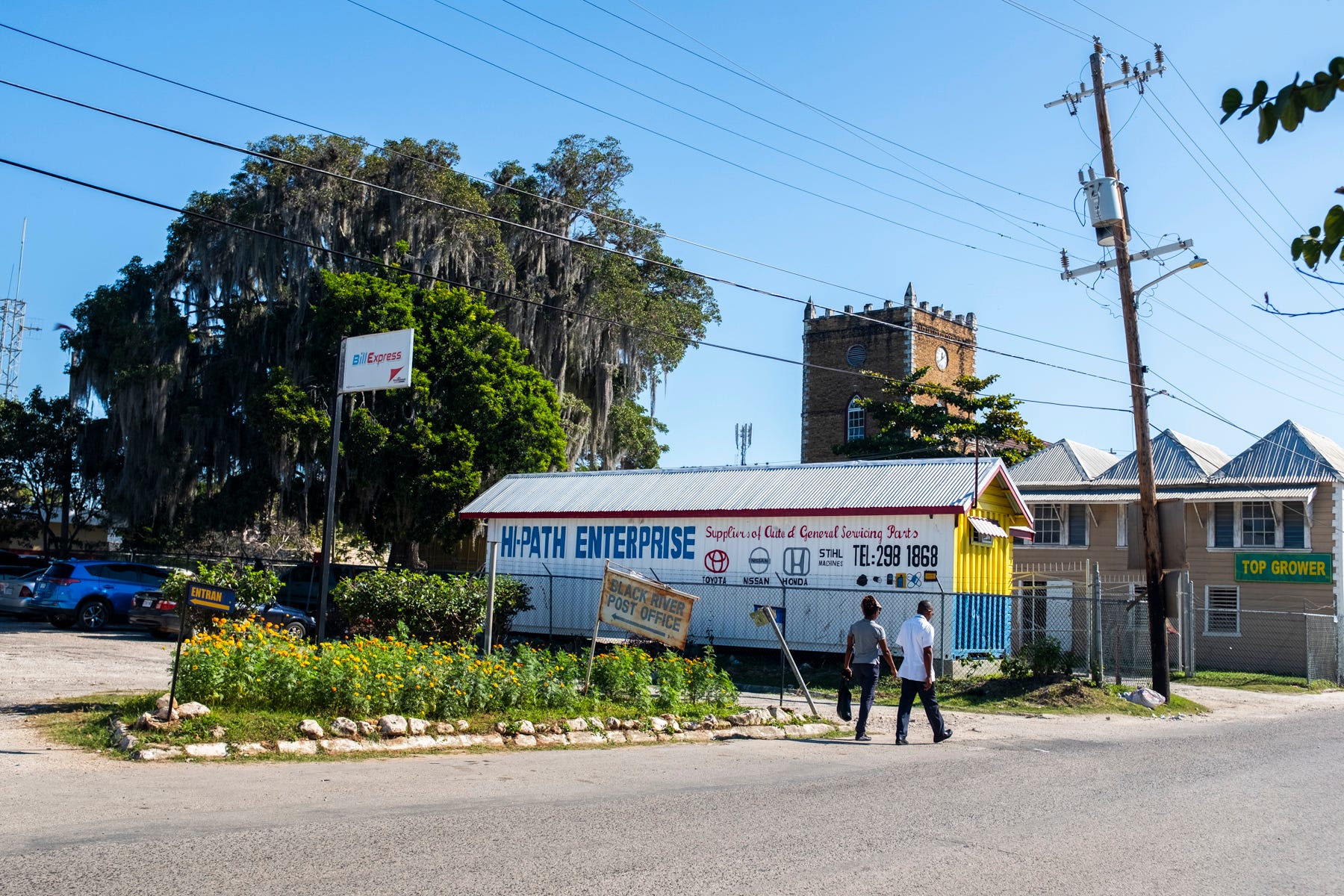
Photograph: View towards the centre of Black River town, 2019
This week, we have all borne witness to one of the most devastating storms in recent memory — watching the destructive force of Hurricane Melissa, a Category 5 storm, unfold across Jamaica. When I saw its path in the final hours aimed directly at the historic community of Black River, I felt an overwhelming emotion. Having walked those streets and spoken with people there, I could almost visualise the enormity of what was coming. Yet, watching from afar, we can never truly comprehend the fear of those moments or the enduring legacy that Melissa will leave behind. Still, Jamaica remains an island of people of resistance, strength, and renewal.
I tend to spend more time in other parts of the island so I have only visited Black River once, back in 2019. I was staying in Treasure Beach and took a route taxi out to Black River one afternoon. Black River is in the parish of St. Elizabeth, it is one of Jamaica’s oldest towns — a place where the island’s colonial past meets the tide. Established in the late 17th century, Black River became a major port during the 18th and 19th centuries, exporting sugar, rum, and logwood while serving as an entry point for enslaved Africans brought to work on nearby plantations. The river’s dark waters, tinted by mangroves, gave the town its name — a fitting reflection of its layered and sometimes painful history.
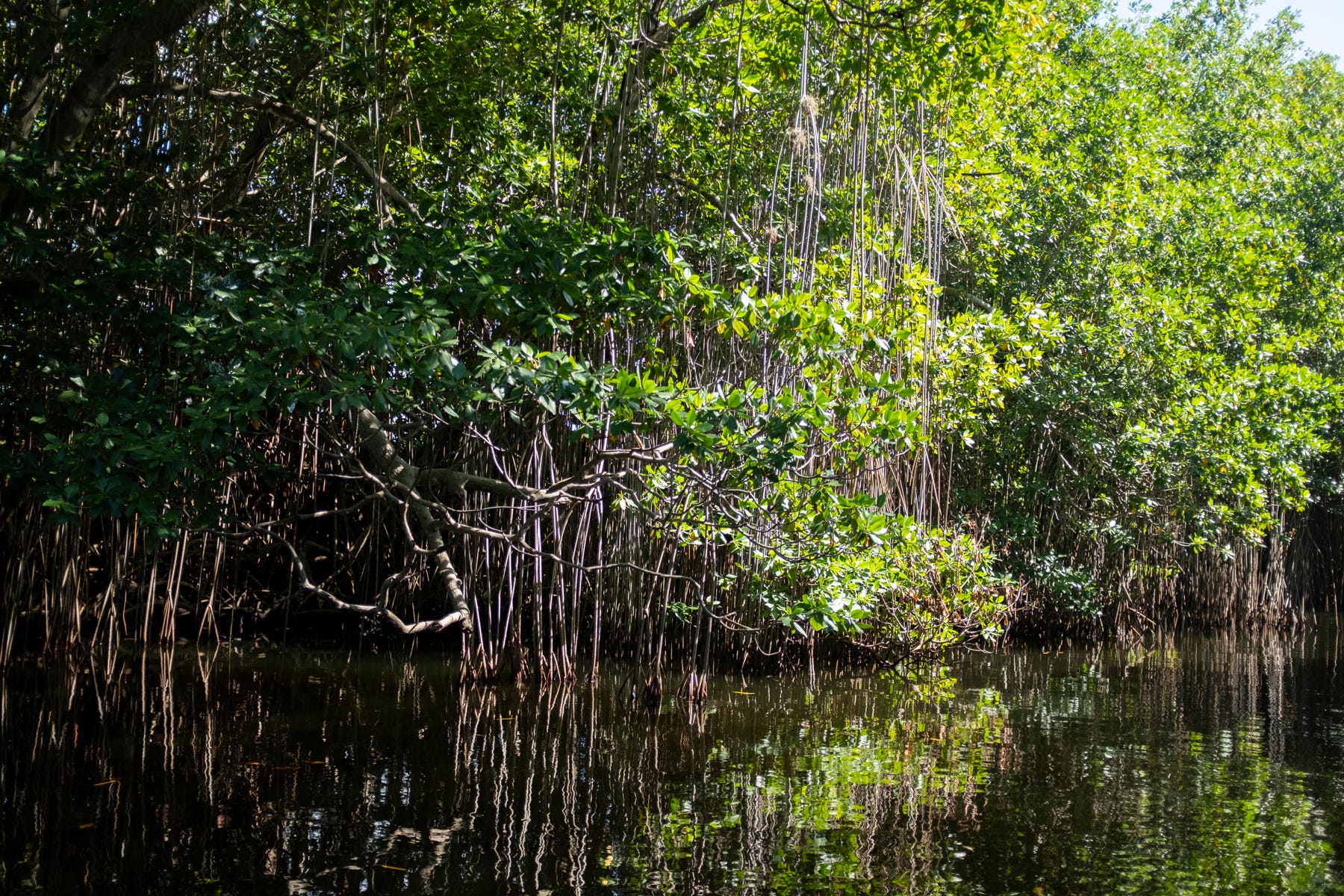
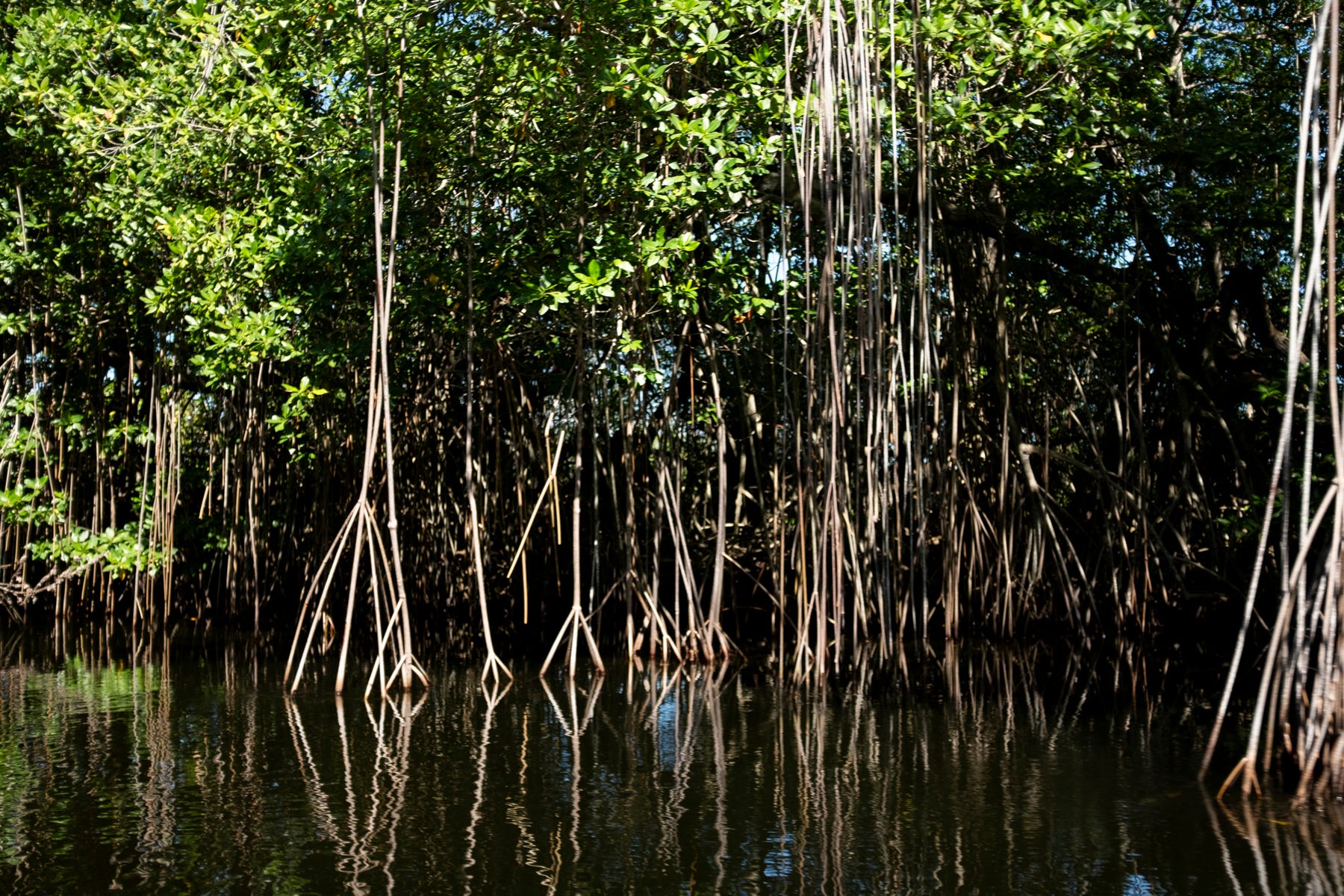
Photographs: Mangroves in Black River, 2019
Not far from the river lies the memory of the Zong massacre of 1781, when over 130 enslaved Africans were thrown overboard from a British slave ship off the coast of Jamaica for insurance money. The ship’s owners claimed that due to navigational errors, it took longer than anticipated to reach Jamaica, and as water was running low, the crew threw more than 130 enslaved people overboard.
While the Zong did not dock at Black River, the town’s port and surrounding plantations were part of the same system of maritime trade that sustained slavery and colonial wealth. The shadow of that event still lingers along this coastline, echoing through the water and the wind. A small plaque near the sea commeorates those souls lost on the Zong.
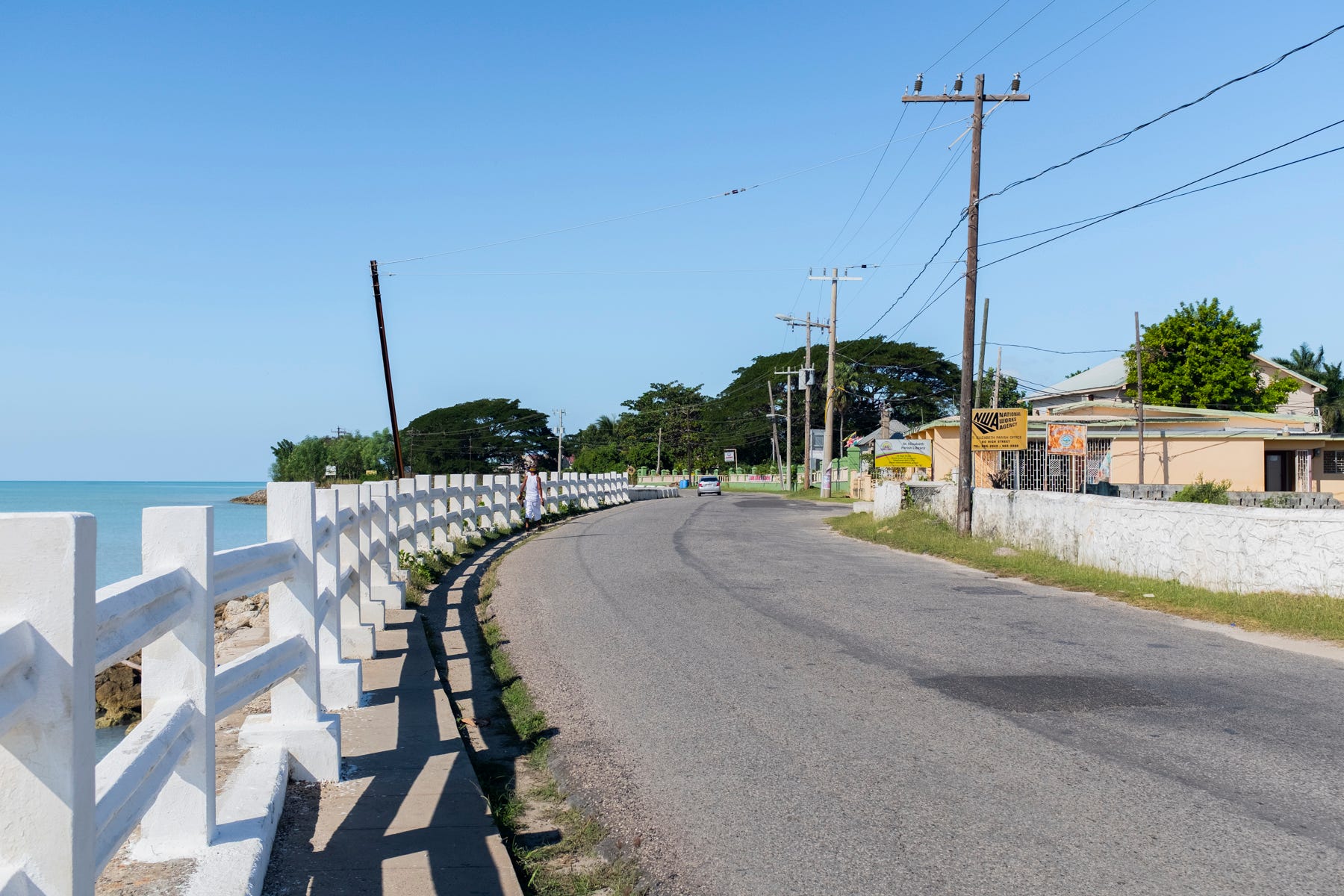
Photographs: View along the sea wall taking you out of Black River town, 2019
Black River later became one of the first towns in Jamaica to have electricity and motor cars in the late 19th century — a sign of its early modernisation and commercial prominence. Many of its Georgian buildings still stand: the courthouse, merchants’ houses, and old warehouses that line the waterfront. These weathered structures hold the traces of centuries — from the brutality of enslavement to the quiet persistence of community life that endures today.
Now, as Jamaica faces the aftermath of Hurricane Melissa, I find myself thinking back to the calm of 2019 — the stillness on the river, the laughter and conversations with the wonderful community of Black River.
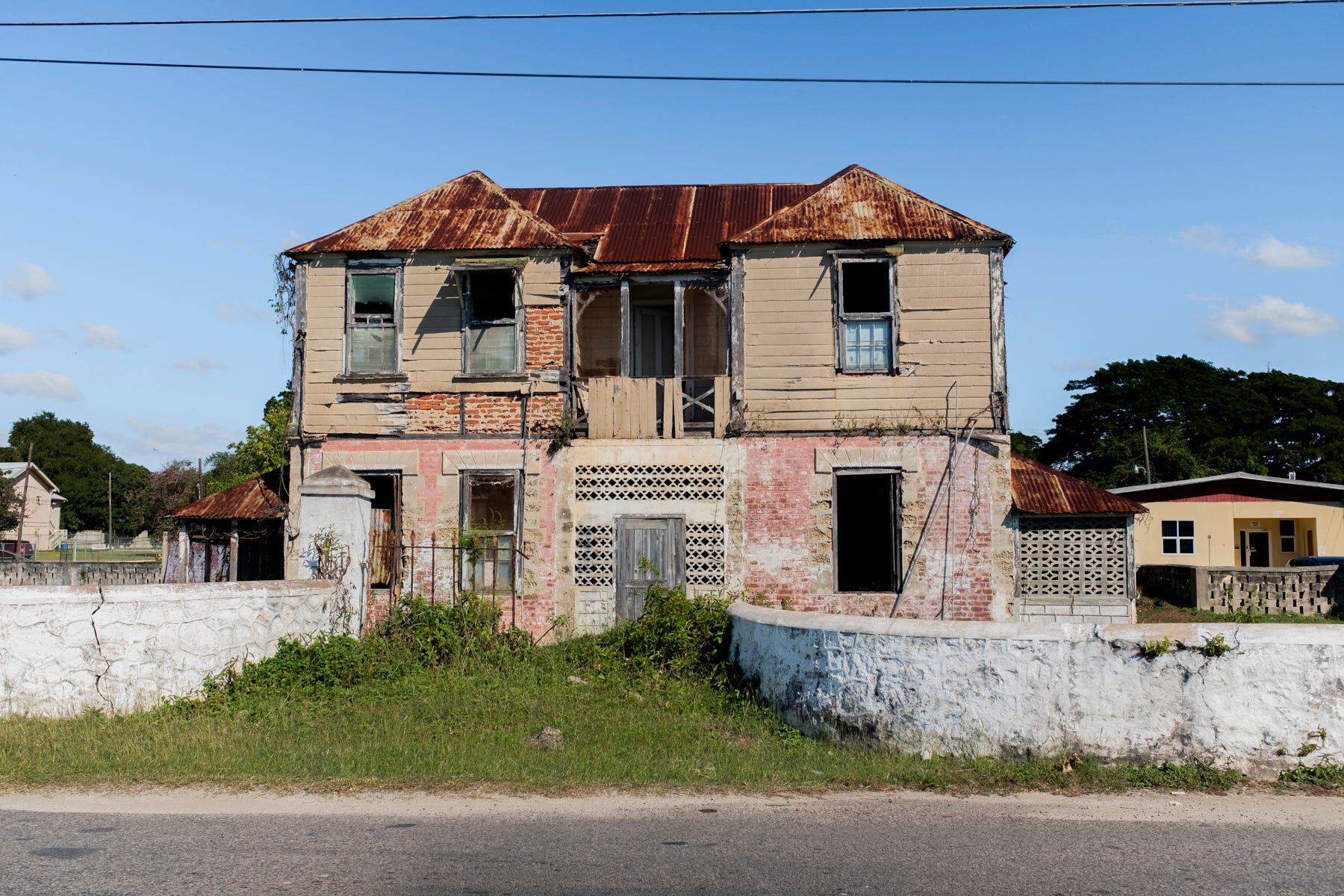
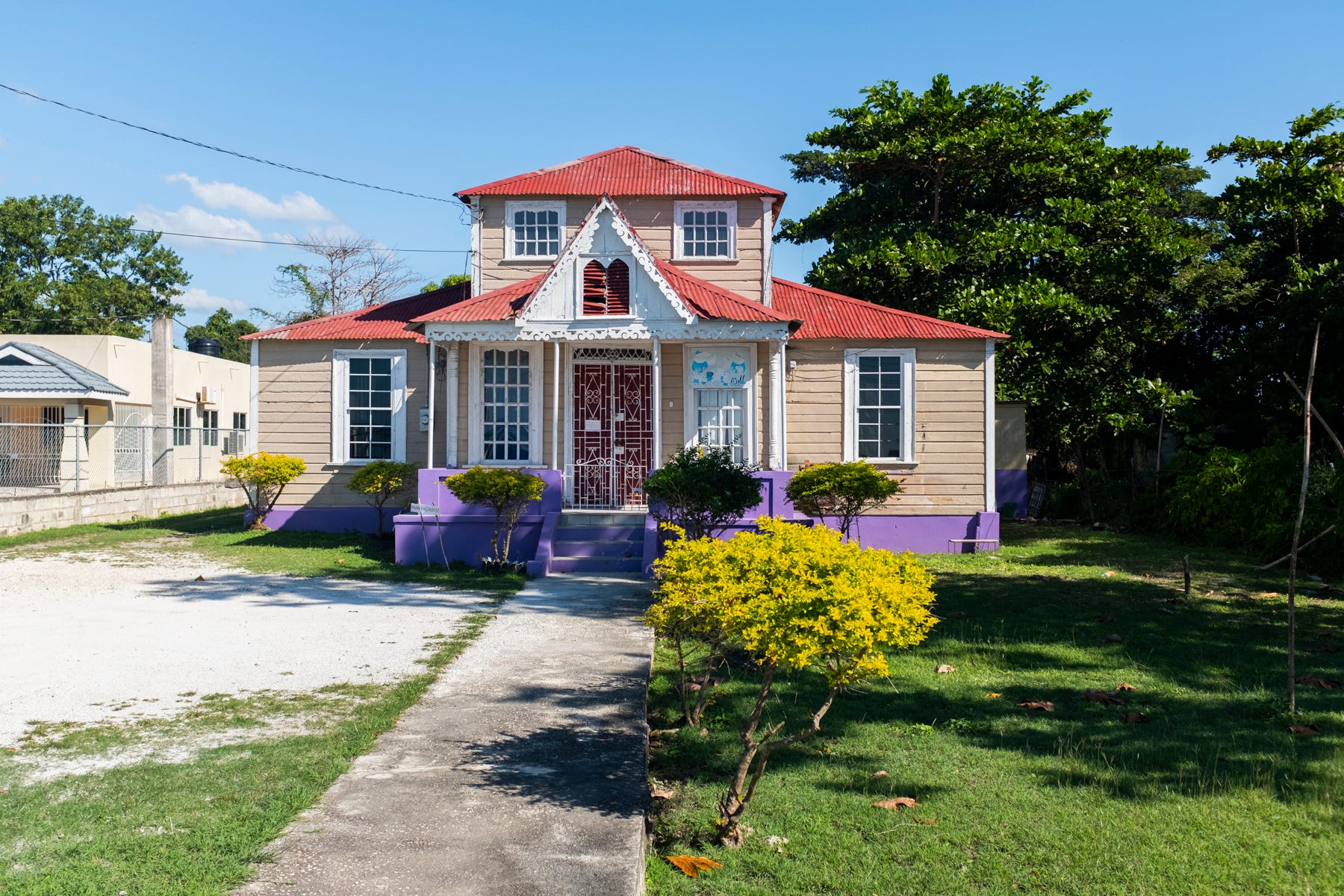
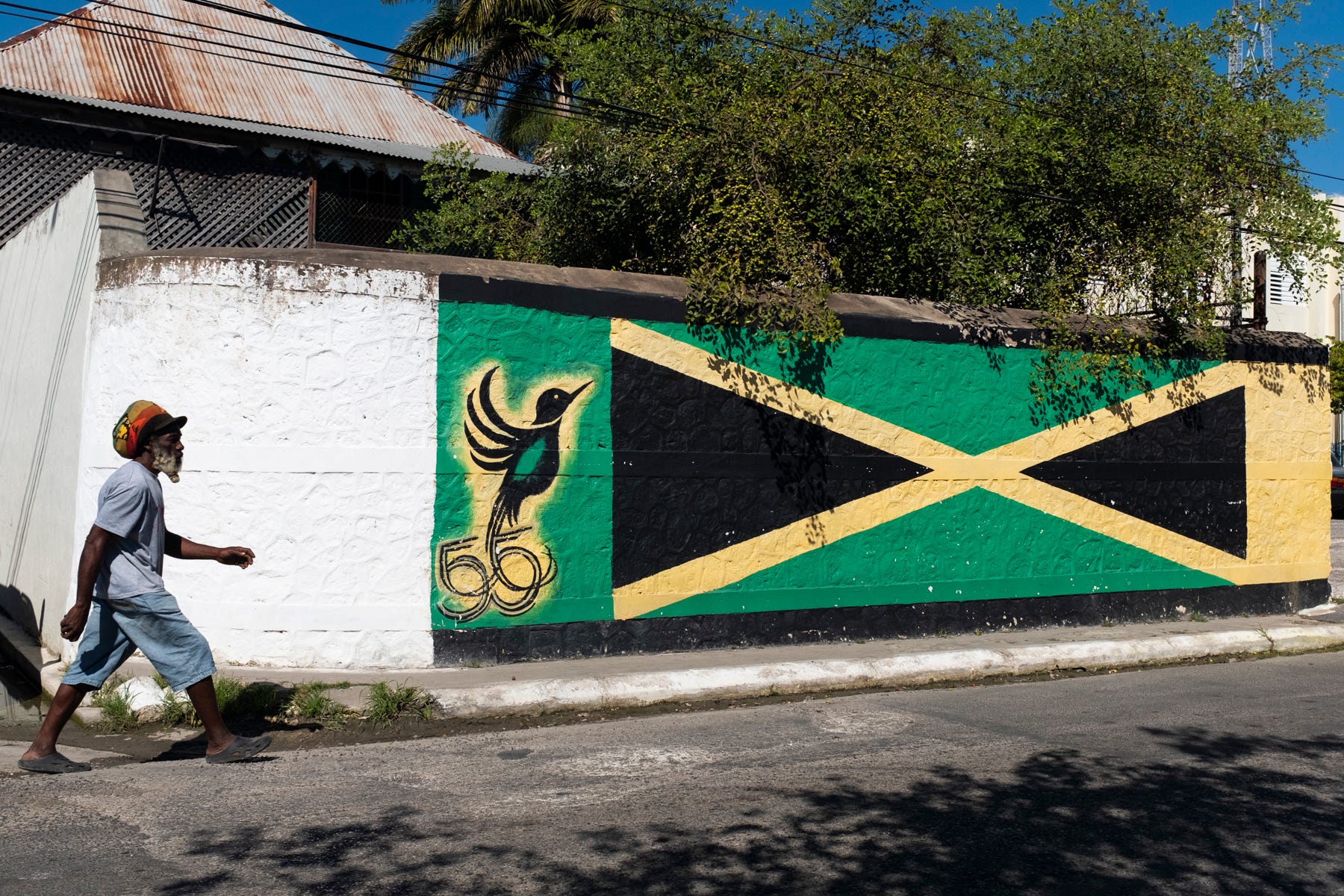
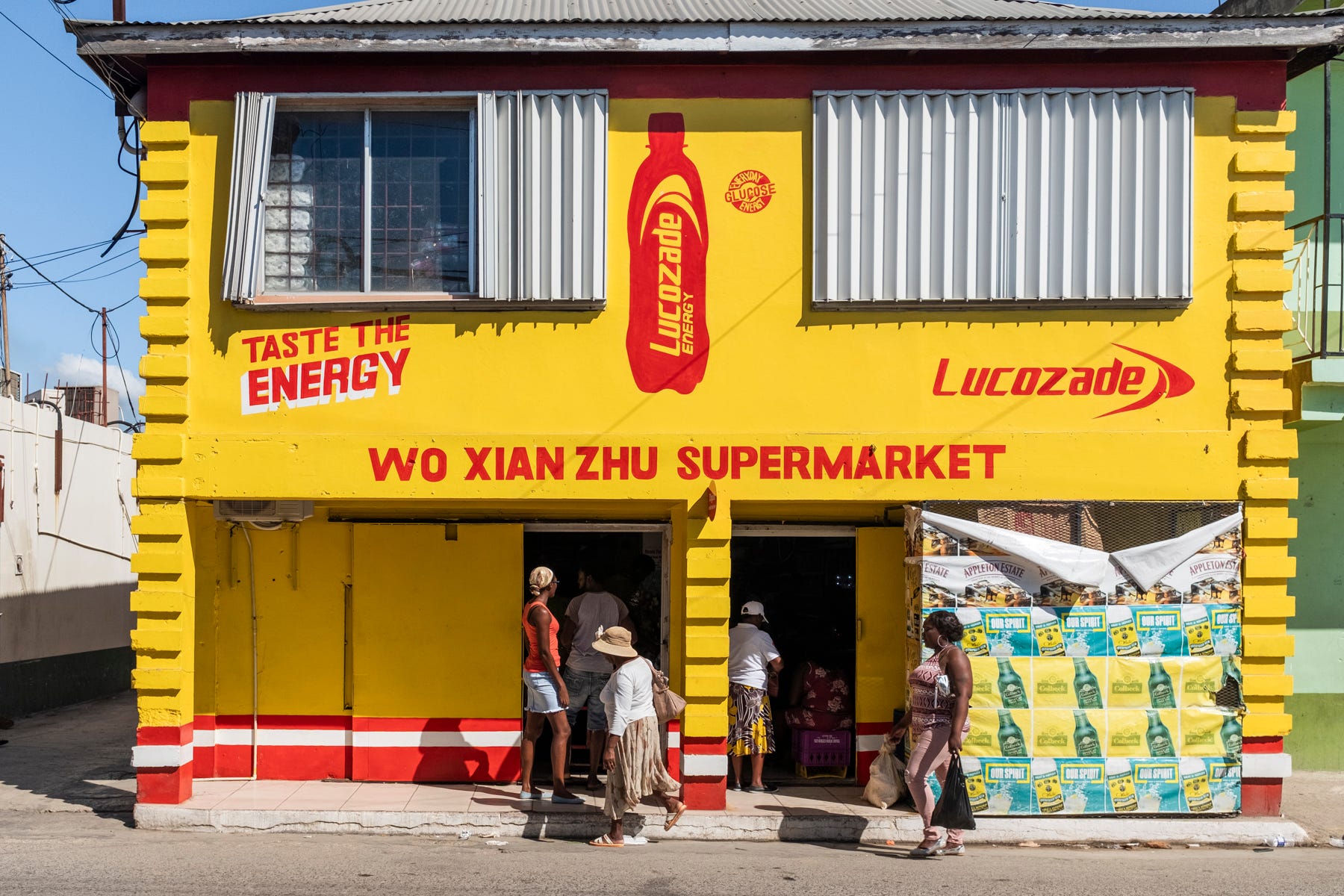
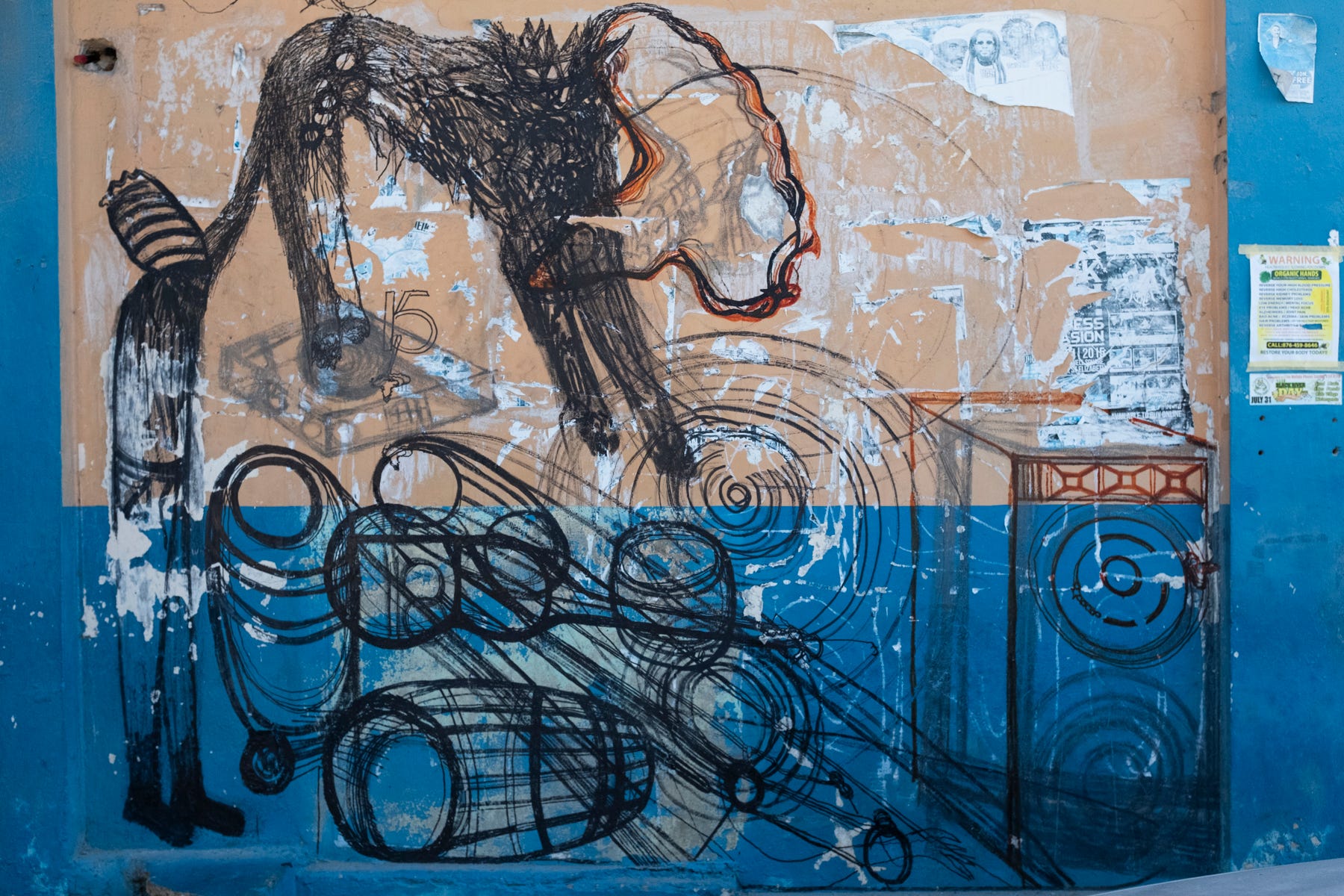
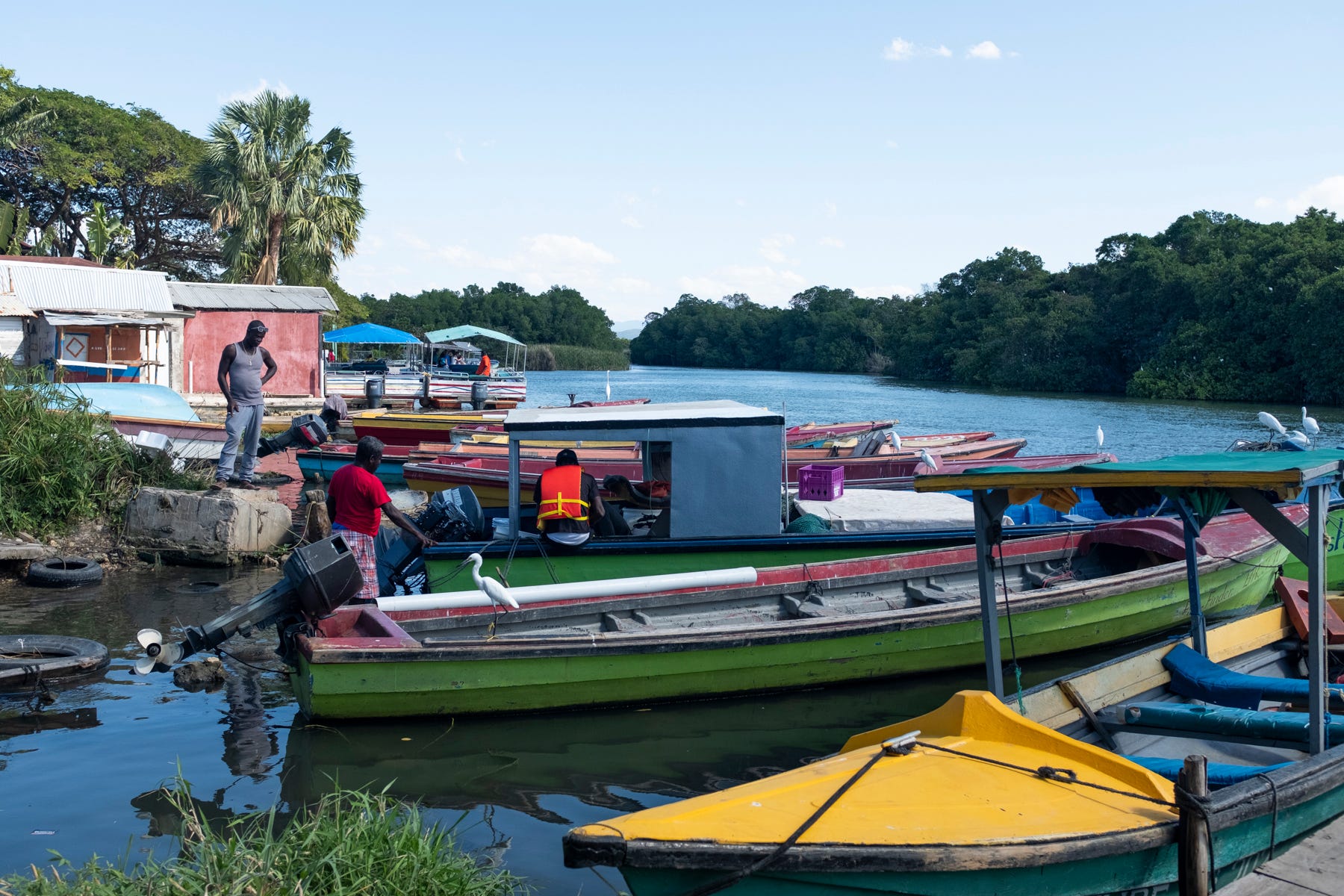
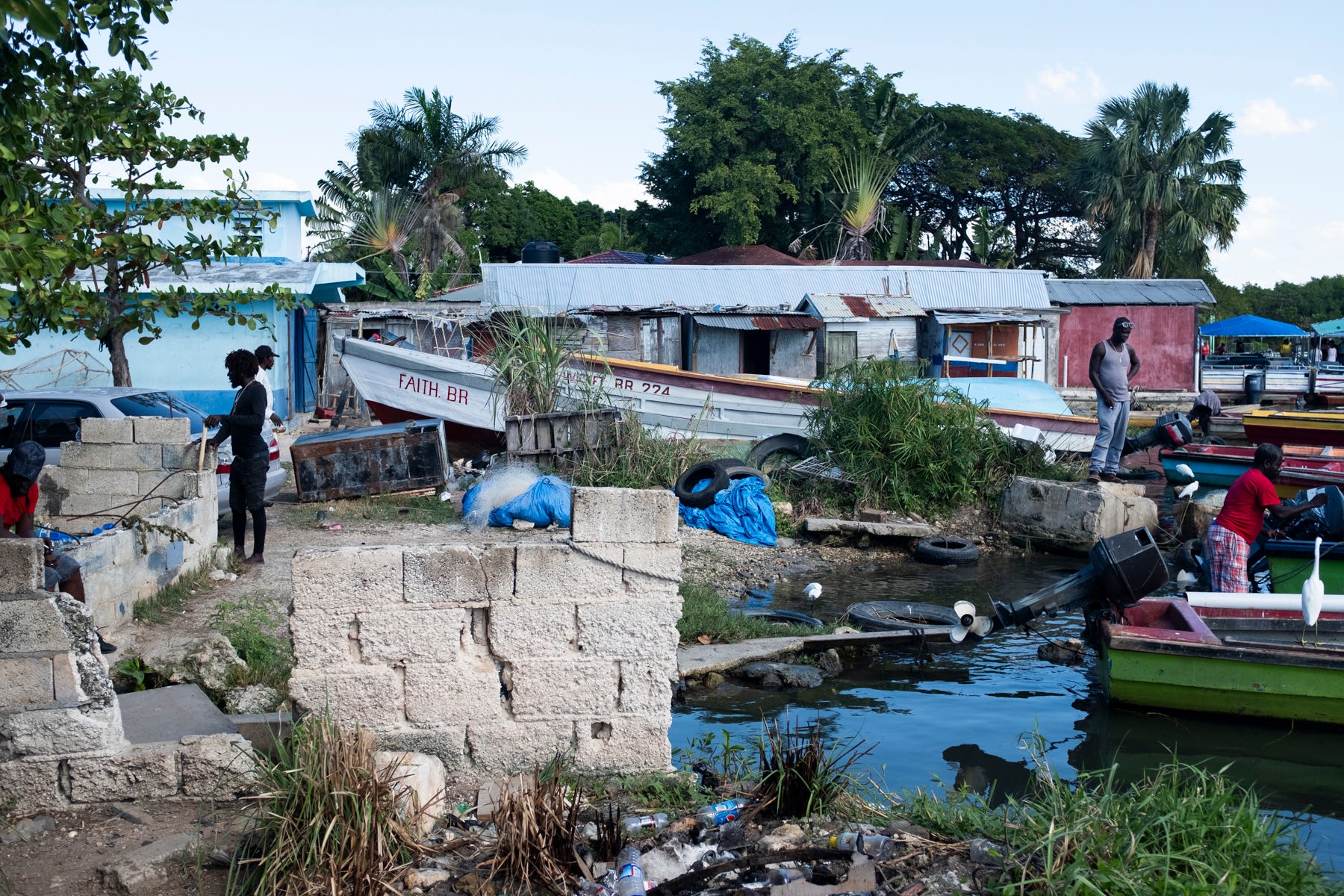
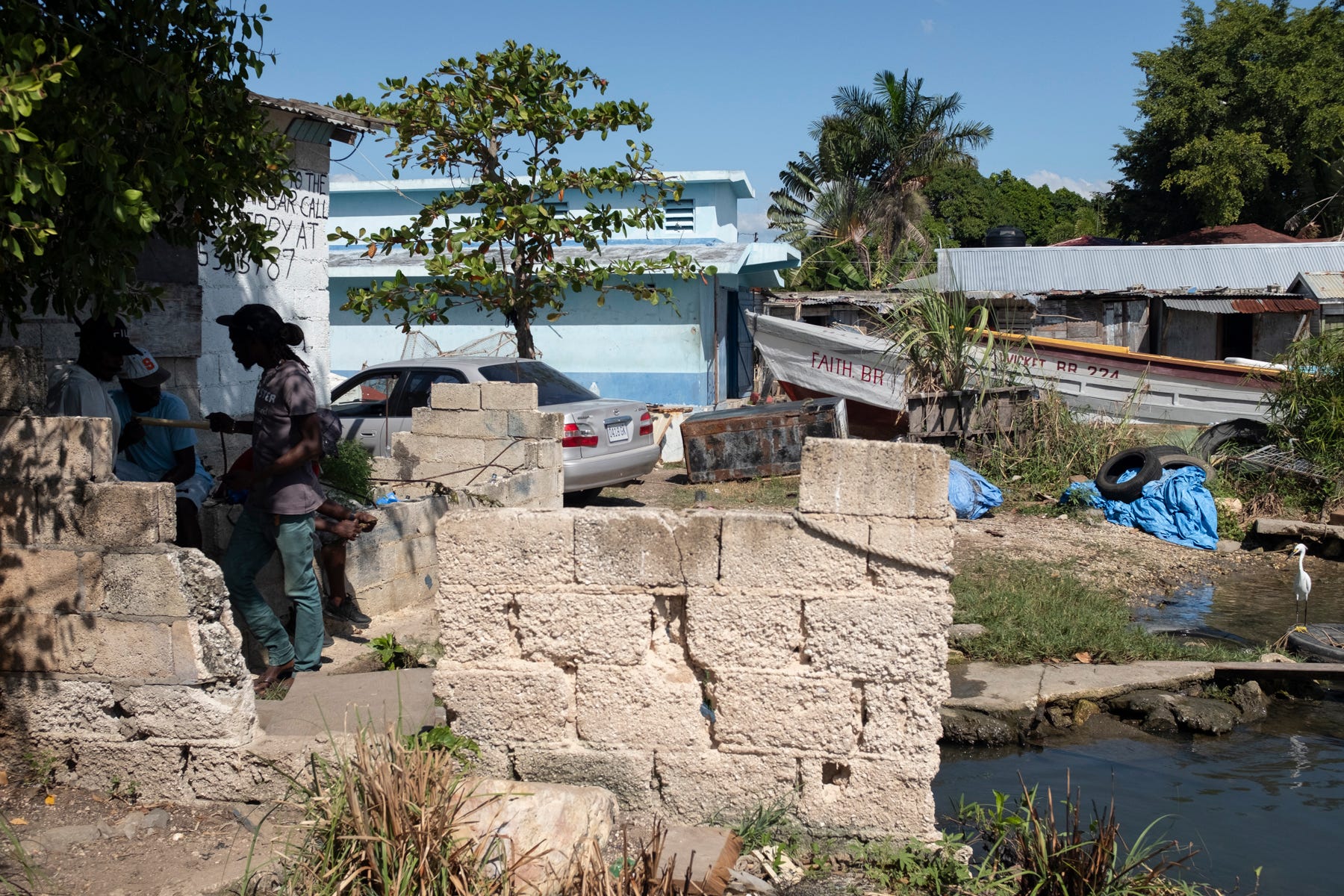
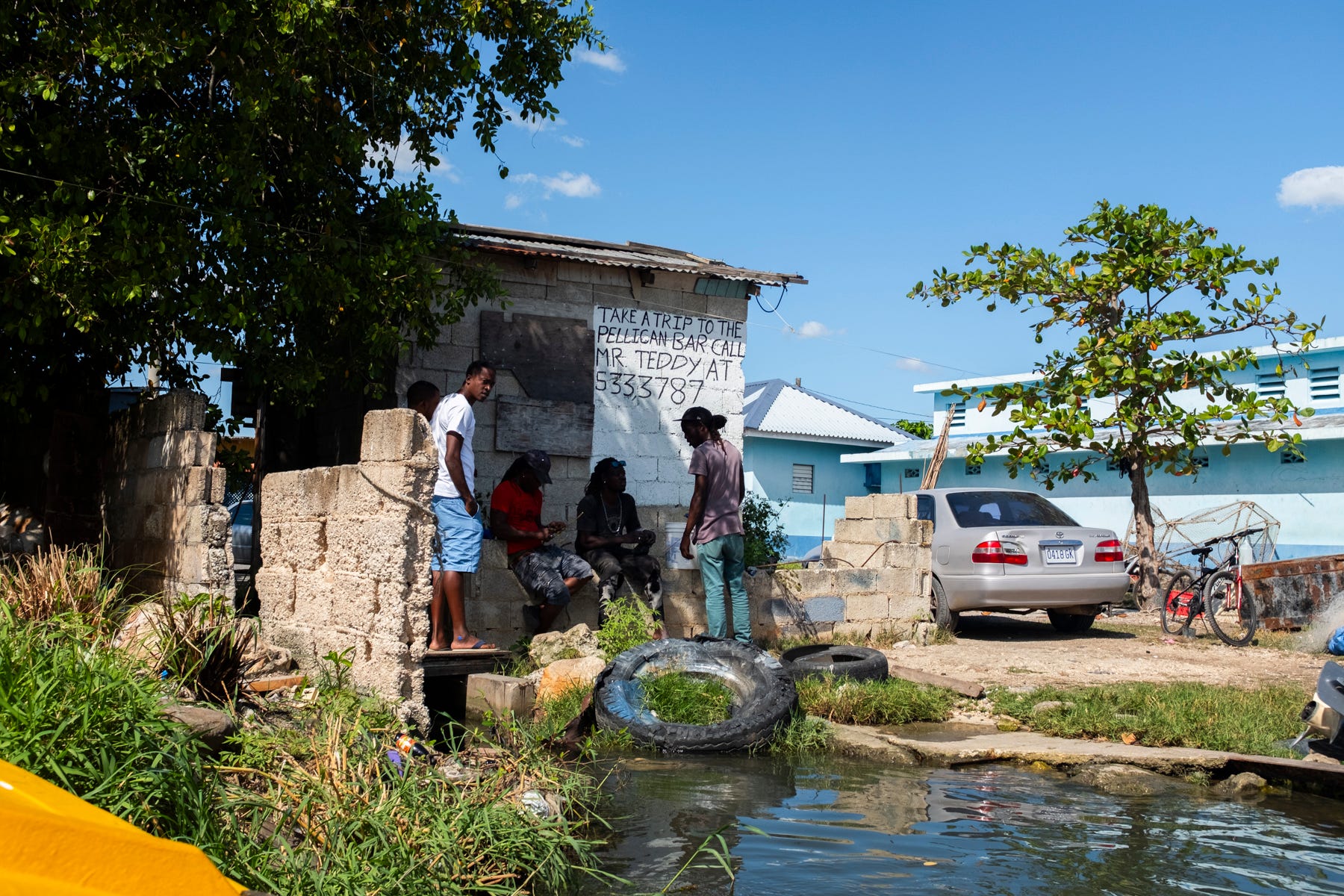
Photograph: Images from inside the town and on the river where day trips take trips to the Pelican bar, explore the mangroves on a boat and spot crocodiles, Black River, 2019
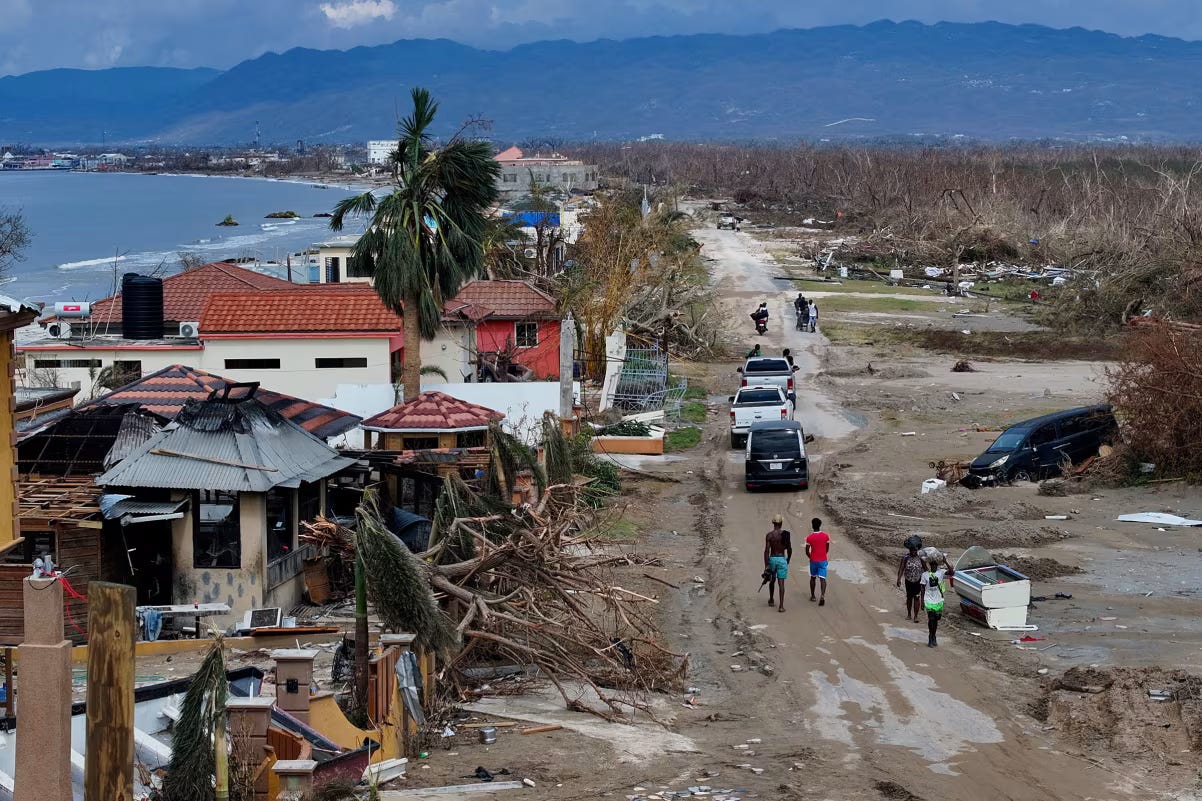
Post hurricane melissa - A drone view shows people walking in Black River, Jamaica, on Thursday after Hurricane Melissa made landfall.
Photograph: credit 2025, Maria Alejandra Cardona/Reuters
Images © Tracey Thorne unless stated, Visit my website to see more about my ongoing work in Jamaica.